This story was originally published in the Spring of 2019.
At 14 years old, Veronica Zapata decided it was time to leave.
She had always felt like the black sheep of her family on the Northern Ute reservation in Utah, living with her mother, step father, and step brother while her two older sisters were away at boarding school.
Struggling with juvenile alcoholism and combating an emotionally abusive home life, Veronica packed as much as she could into a footlocker and took a charter bus from Utah to Riverside, California where she attended an all Native American boarding school.
She’s confident it’s the right decision in not allowing herself to ‘become consumed by reservation life.’
“It’s like the Wild West,” Veronica said. “You have to be tough.”
Veronica is one of hundreds of thousands of Native American or indigenous people that have felt the push off native lands over the span of multiple generations. In a combination of issues plaguing the community such as alcoholism and poverty, or external factors such as racism and lack of government subsidies, many Native Americans have chosen to relocate off reservations. Within this choice lies the struggle and uncertainty for many Native Americans in today’s society – how to maintain culture and heritage in a state of diaspora.
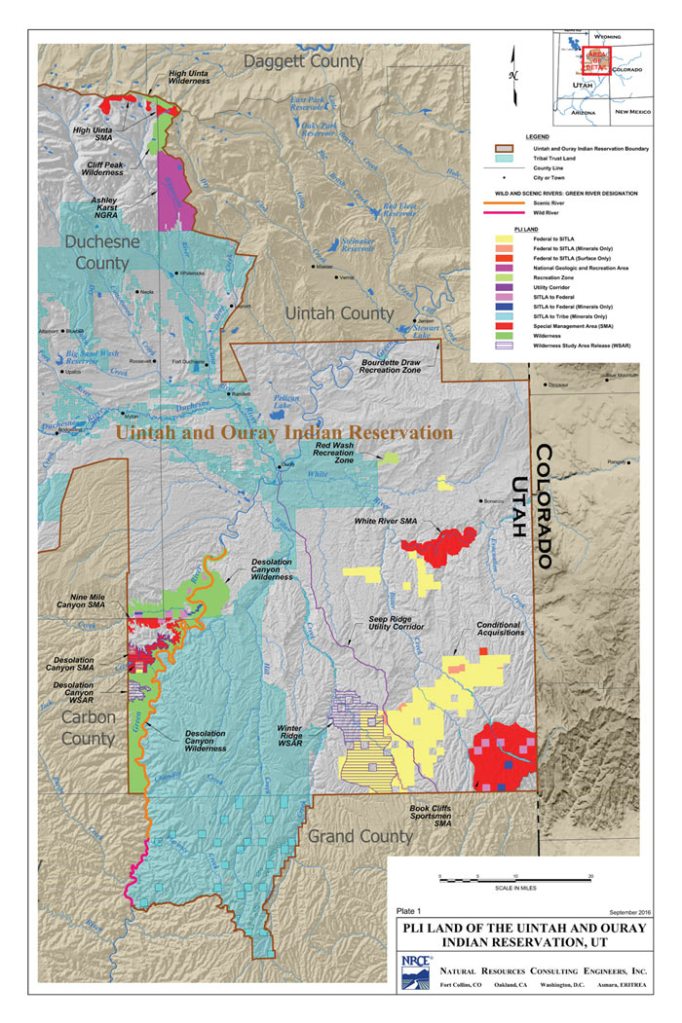
“For all kinds of economic reasons employment is easier off the reservation,” Anthony Webster, anthropology professor at The University of Texas at Austin said. “No culture is simply going to stay the same. Our society changes. Other societies change as well.”
Webster believes changing dynamics and practices are natural within any group of people, though it is important to maintain an eye on who exactly is influencing changes within that culture. Extracting coal, uranium, water and other resources from tribal lands can cause conflicts over compensation and land rights.
“The United States have extracted things from reservations,” Webster said, “and there hasn’t been a lot of compensation for that. There are economic realities that exist and native groups have to respond to those kinds of things.”
* * *
A 2010 census revealed only a third of all American Indians live on reservations.
According to National Council of Urban Indian Health, this statistic could be strongly correlated with the government’s attempts to relocate and assimilate Native American off their homelands. In the late 1800s to early 1900s, children in native tribes were taken from their families and placed in educational programs facilitated by missionaries or the federal government.
The Carlisle Indian Industrial School was the first federally-funded boarding school for Native Americans. It’s motto: “Kill the Indian: save the man.”
Greg Day is an Austin resident whose grandparents were members of the Ho Chunk tribe in Wisconsin when they were taken from their family and placed in the Carlisle school in Pennsylvania. Day said after they graduated, they remained in Carlisle and never revisited their homeland or reconnected with their family. They had developed a shame for their heritage.
“[The school] thought if you take away language and customs, then you could irradiate Indians everywhere,” Day said. “When they finished school, they had no contact with their parents. Once you leave the reservation, you’re no longer a part of the community.”
* * *
Veronica is the only member of her family living off the reservation. She said when she revisits home, racism remains widespread in the community and members of her own tribe reject her because of her choice to leave.
“Racism can be cut with a knife,” Veronica said. “If you live outside of the reservation and come back then you are judged by those who know nothing more than reservation life. People look at me like ‘what is she doing off the reservation.’ It’s hard to be true to your ethnicity and still live in the white man’s world.”
Veronica doesn’t make the annual trip alone. She’s often accompanied by her three sons who use the time to catch up with distant relatives and hang out at the local bowling alley.
“We visit quite often,” Veronica’s youngest son, Michael Zapata said. “Family is big in my culture. We call everyone that’s related to us nieces and nephews.”
Michael describes trips to the reservation as something of another world. A flat land of cookie-cutter trailer homes, a gas station, grocery store, and a restaurant where his family always eats, The Frontier.
This restaurant is one of the handful of establishments on the reservation that offers opportunity for employment. For individuals looking to pursue careers, they must often face the decision of whether or not to leave the reservation. A decision that Veronica Zapata says hasn’t gotten easier with time.
Veronica hasn’t lived on the Northern Ute tribe reservation in nearly 35 years, yet returning home will always be significant to her. Practicing her culture and traditions is a way Veronica feels close to her ancestors, respects Mother Earth and takes time to appreciate all the gifts she’s been given.
Veronica expects to continue sharing the meaning of her culture with her family despite the larger uncertainty Native cultures faces in the US today, saying “It’s important for me that my children know their culture just as it should be important for anyone to know love.”
 Karsyn Lemmons
Leave a comment